


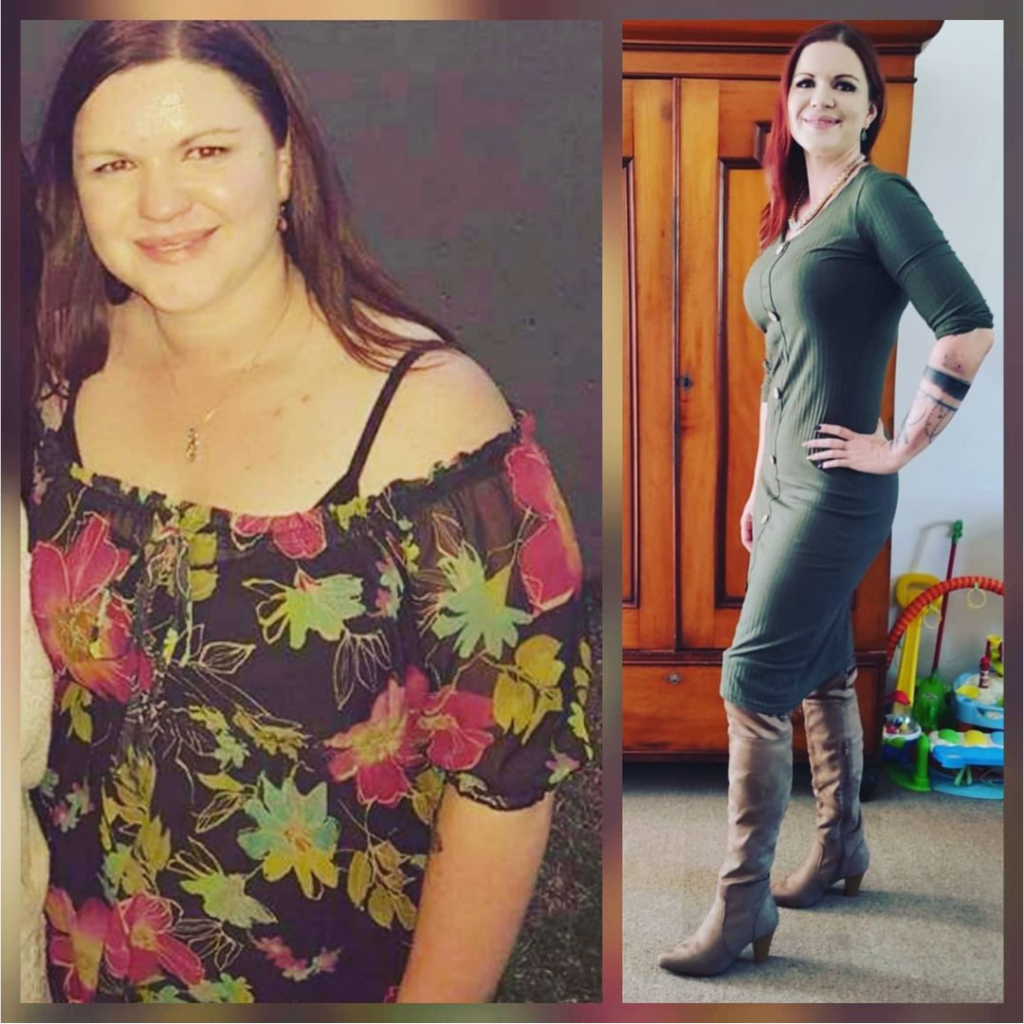
In the quest for sustainable weight loss, we often find ourselves inundated with the idea that counting calories is the golden ticket to a slimmer, healthier body. However, this approach, often referred to as the “eat less, move more” mantra, has proven time and time again to be ineffective for many individuals. Instead of viewing our bodies as calculators that simply balance calories in versus calories out, we need to recognise the critical role that hormones play in the complex puzzle of weight management. In this blog post, I’ll explore why counting calories doesn’t work for long-term, sustainable weight loss and how our ancestors thrived without calorie counting.
- Our Bodies Are Not Calculators:
One of the biggest misconceptions about weight loss is the oversimplified notion that our bodies operate like mathematical calculators. It’s easy to believe that by reducing our calorie intake and increasing our physical activity, we can shed excess pounds consistently. However, our bodies are incredibly sophisticated and adaptable systems, where multiple factors influence weight regulation. Reducing this complex interplay to a simple numbers game overlooks the crucial role of hormones in weight management.
- Ancestral Health vs. Modern Calorie Counting:
When considering the effectiveness of calorie counting, it’s essential to acknowledge our ancestors’ way of life. Our hunter-gatherer predecessors had no concept of calorie counting, yet they maintained healthy body weights and were free from the high rates of chronic diseases that plague our modern world. This stark contrast highlights that there is more to sustainable weight management than merely counting calories. Our ancestors’ lifestyles were characterised by whole, unprocessed foods, natural movement, and environmental factors that supported hormonal balance.
- Hormones: The Real Key to Weight Loss:
Weight management is fundamentally about maintaining a healthy hormonal balance. Hormones, such as insulin, leptin, and ghrelin, play critical roles in appetite regulation, metabolism, and fat storage. When we focus solely on calorie counting, we may disrupt these hormonal signals, making it challenging to achieve and sustain weight loss. For instance, a diet high in refined carbohydrates can lead to insulin resistance, driving the body to store more fat and triggering overeating.
- Counting Calories: A Short-Term Solution:
Counting calories may produce short-term weight loss, but it often fails to address the underlying hormonal imbalances that contribute to weight gain in the first place. As the body adjusts to reduced calorie intake, it can slow down metabolism, increase hunger, and make it more challenging to continue losing weight. This can result in the frustrating cycle of weight loss followed by weight regain.
- The “Eat Less, Move More” Fallacy:
The outdated advice of “eating less and moving more” has failed countless individuals seeking long-term weight loss. This approach ignores the importance of hormone regulation and the quality of the calories consumed. It oversimplifies a complex issue and, in many cases, contributes to unhealthy relationships with food and exercise.
In the pursuit of long-term, sustainable weight loss, it is imperative to shift our focus away from calorie counting and recognise the pivotal role of hormones in shaping our body composition. Our ancestors thrived without the need for calorie calculations, emphasising the significance of whole, unprocessed foods and natural movement in maintaining a healthy weight.
To achieve lasting success in managing our weight, we must prioritise hormonal balance, consume nutrient-dense foods, and lead active, healthy lifestyles. So, if anyone is still advocating the “eat less, move more” approach, remember that the key to long-term, sustainable weight loss lies in understanding and supporting our body’s complex hormonal system, not in reducing it to a simple numbers game.