


The keto lifestyle focuses on high fat, moderate to high protein, and low carb intake to encourage the body to enter a state of ketosis. Protein supplements can play a vital role in meeting your protein needs without compromising your carb intake. Here, we explore some of the best protein supplements that are keto friendly, providing their features, benefits, and potential drawbacks.
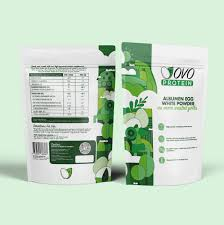
Ovo Egg White Protein is one of the purest forms of protein available, with each serving typically containing around 25 grams of protein and less than 2 grams of carbs. It is naturally fat free, making it an excellent choice for those focusing on macronutrient balance. As a complete protein, it contains all nine essential amino acids, crucial for muscle repair and growth. Benefits include being easy on the stomach and less likely to cause digestive issues compared to some other protein sources, and being a good alternative for those who are lactose intolerant or have dairy allergies. It helps in maintaining and building lean muscle mass, which is crucial during weight loss phases. However, some people may find the taste and texture less appealing compared to other protein powders. Additionally, it may be harder to find compared to more common protein supplements like whey or casein, and egg allergies can still be a concern for some individuals.
You can get my favorite egg white protein, Ovo here. Use the discount code KIMSKETO365.
Whey Protein, especially in its plain form, is known for its high biological value, meaning it is efficiently used by the body. It is rapidly absorbed, making it ideal for post workout recovery. Unflavored whey protein isolate usually contains very low carbs, around 1-2 grams per serving, and is rich in Branched-Chain Amino Acids (BCAAs), which are essential for muscle growth and repair. Benefits include supporting muscle growth by providing essential amino acids that promote muscle protein synthesis, helping to maintain muscle mass while losing fat, and containing immunoglobulins and lactoferrin, which support the immune system. However, even in isolate form, whey protein may still contain some lactose, which can be problematic for those with severe lactose intolerance. Some individuals may experience bloating or digestive discomfort, and plain whey can have a bland or undesirable taste if not mixed with other ingredients. Prime Self Whey Protein is known for using high quality, grass-fed whey and often enriched with additional nutrients and digestive enzymes to improve absorption and utilisation. It typically contains minimal carbs and no added sugars. Benefits include providing a steady release of energy without spiking insulin levels, aiding in quicker recovery and reduced muscle soreness due to the added nutrients and enzymes, and supporting gut health with digestive enzymes. However, the premium ingredients and enhancements can make it more expensive than standard whey protein. It may not be as widely available as other whey protein brands, and some formulations may include additives or sweeteners that some individuals prefer to avoid.
Plain whey can be found at most pharmacies and even some supermarkets. For PrimeSelf Whey click on the image below.
Collagen is especially high in glycine, proline, and hydroxyproline, which support joint, skin, and gut health. It typically contains negligible carbs and fats and can be easily added to both hot and cold beverages, soups, and baked goods. Benefits include supporting joint function and reducing joint pain, promoting skin elasticity and hydration, and supporting gut lining integrity. However, collagen lacks some essential amino acids, so it shouldn’t be the sole source of dietary protein. Some users may find the taste unappealing, even in flavored versions, and it is often derived from bovine or marine sources, which may not be suitable for all dietary preferences or restrictions.
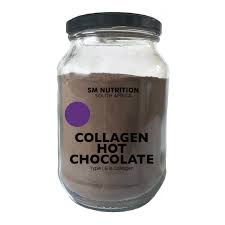
For an excellent range of collagen options check out SM Nutrition. They have everything from marine collagen to a collagen hot chocolate!
Gelatin shares many benefits with collagen, such as supporting and healing the gut lining and providing the amino acids needed for healthy joints and bones. It is also useful in cooking and baking as a thickening and gelling agent. Benefits include supporting digestive health, promoting stronger, healthier hair and nails, and containing minimal to no carbs. However, it can be tricky to work with due to its gelling properties, is derived from animal products making it unsuitable for vegetarians, and is not as versatile as other protein powders for mixing into beverages.
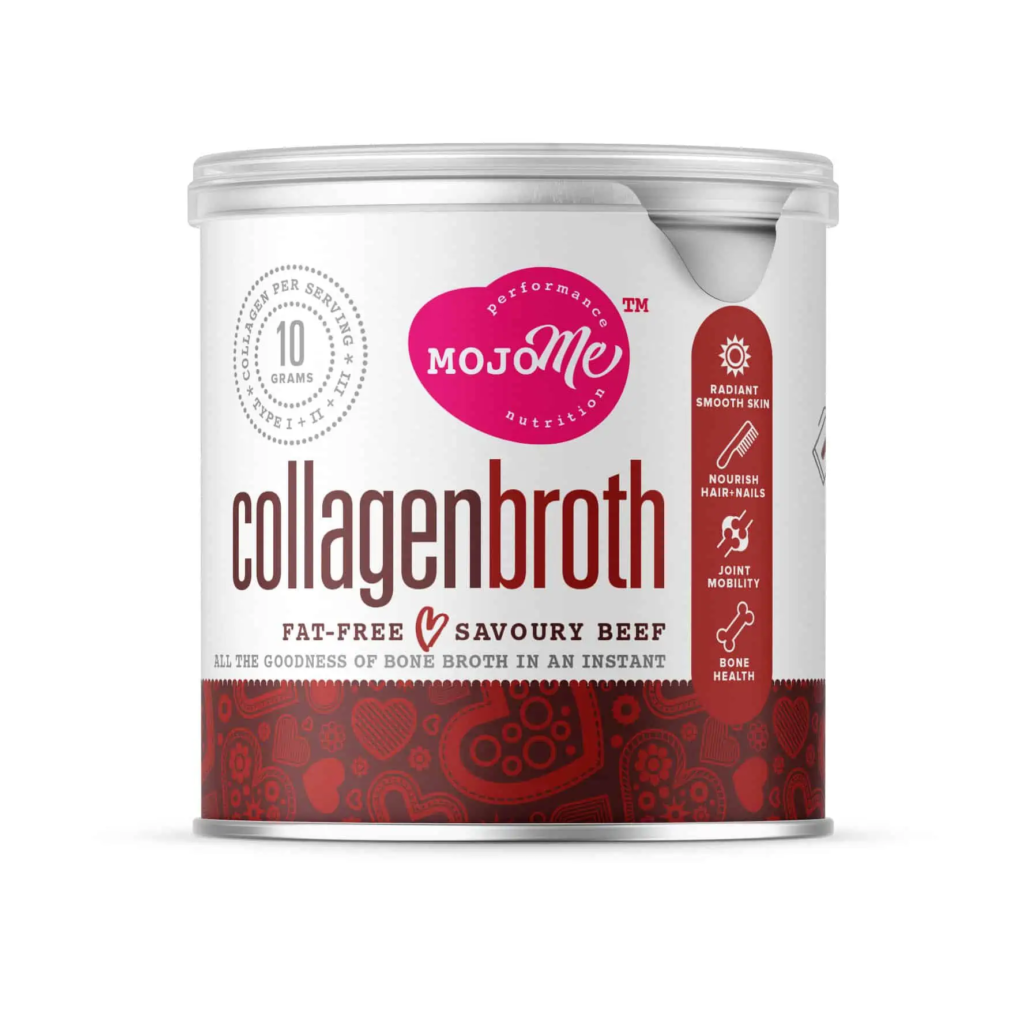
Bone Broth Protein contains collagen as well as other beneficial nutrients like glucosamine and chondroitin, typically contains very low carbohydrates, and provides a range of vitamins and minerals derived from the bones. Benefits include supporting digestive health and helping heal the gut lining, providing the building blocks for healthy joints and connective tissue, and containing nutrients that support immune function. However, the taste may not be appealing to everyone, it requires more preparation compared to simple protein powders, and can be more expensive due to the nutrient rich ingredients.
Homemade is best but for a convenient option I like the MoJoMe Bone Broth Powder.
Choosing the right protein supplement on a keto diet is essential for meeting your protein needs without exceeding your carb limits. Ovo Egg White protein, whey protein (both plain and Prime Self), collagen, and gelatin offer excellent options that provide numerous health benefits. Additionally, exploring clean protein sources like pea protein and bone broth protein can further diversify your intake and support your overall health on a keto lifestyle. Always consider the pros and cons to select the best option that fits your dietary needs and preferences.
Disclaimer: This is not a sponsored blog post. However, I am an affiliate of Ovo Protein.
Check out my favourite protein drink here:


