

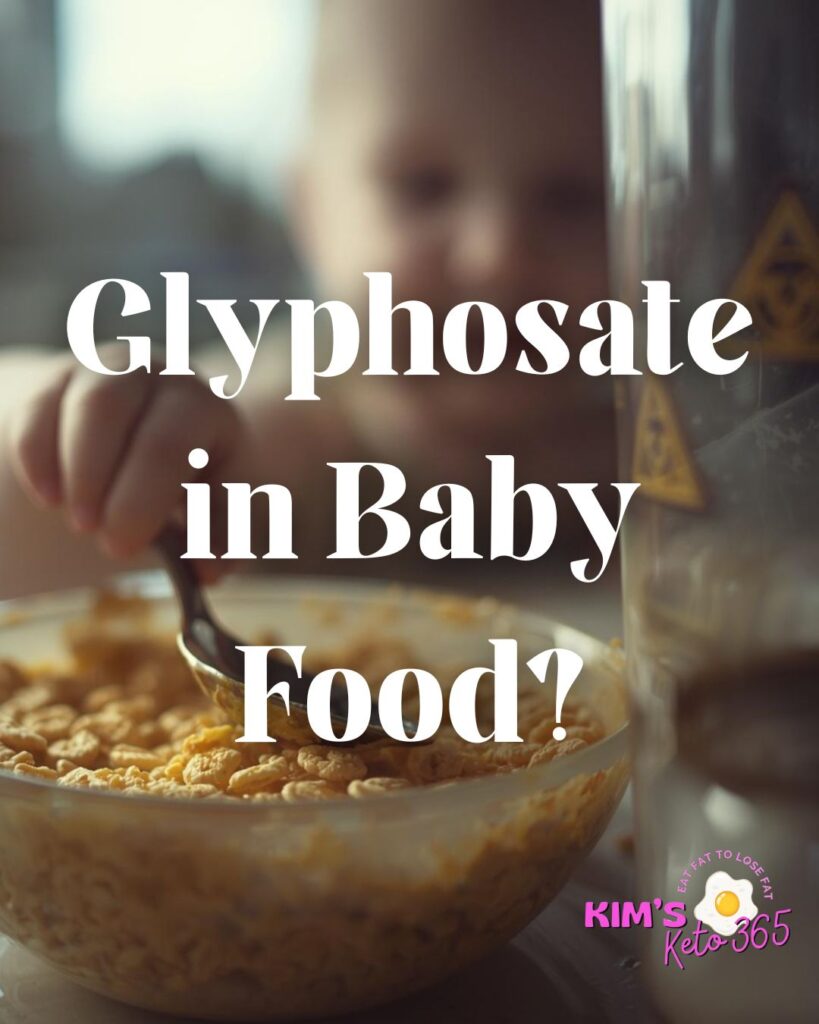
Glyphosate has now been detected in South African staple foods, including baby cereal, bread and maize products. These are foods people eat daily, often more than once. This is not limited to a single product or brand. It reflects a wider issue in how food is produced.
The key point most people miss is this. These are only the products that were tested. Glyphosate is used across large parts of modern agriculture. Exposure builds over time, across multiple foods, from different sources.
If you care about your health, your hormones, your gut, or your child’s development, this is worth understanding properly.
What is glyphosate?
Glyphosate is a broad-spectrum herbicide used to kill weeds. It is the active ingredient in Roundup herbicide and similar products used globally.
It works by blocking a plant enzyme pathway known as the shikimate pathway. This pathway does not exist in human cells, which is one of the reasons it was initially considered safe.
That argument leaves out something important. Your gut bacteria do use this pathway. This is where the conversation starts to shift.
How is glyphosate used in South Africa?
Glyphosate is widely used in South African agriculture, especially in crops like maize, wheat and soya. These crops form the base of many staple foods and are also used in animal feed.
There are three main ways glyphosate is used:
- Pre-planting weed control
- Weed control during crop growth
- Pre-harvest drying of crops
That last use increases the chance of residue remaining in the final food product.
In South Africa, glyphosate is not approved for pre-harvest use on wheat. Despite this, residues are being found in wheat-based products, including bread and baby cereals.
Possible reasons include:
- Imported grain
- Off-label use
- Environmental contamination
The source matters less than the outcome. It ends up in the food supply.
What does the research actually say?
This is where most people get lost. You will see headlines saying glyphosate is safe. You will also see headlines linking it to cancer and chronic disease.
Both sides are pulling from real data. The difference is how that data is interpreted.
Cancer risk
In 2015, the International Agency for Research on Cancer, part of the World Health Organization, classified glyphosate as “probably carcinogenic to humans” (Group 2A).
This classification was based on:
- Human epidemiological studies showing an association with non-Hodgkin’s lymphoma
- Animal studies showing increased tumour formation
- Mechanistic evidence of DNA damage and oxidative stress
A 2019 meta-analysis published in Mutation Research found that higher exposure to glyphosate-based herbicides was associated with a 41 percent increased risk of non-Hodgkin’s lymphoma.
That is not a small signal.
Gut health and microbiome disruption
Glyphosate targets the shikimate pathway, which is present in many beneficial gut bacteria.
A review published in Environmental Sciences Europe (Mesnage and Antoniou, 2017) highlighted that glyphosate can:
- Disrupt the balance of gut bacteria
- Favour the growth of pathogenic strains
- Reduce beneficial species involved in nutrient production and immune function
If you are working on healing your gut, this matters.
Endocrine and hormonal effects
Research has also raised concerns around endocrine disruption.
A study published in Toxicology showed that glyphosate-based formulations can interfere with hormone signalling pathways, even at low doses. This includes effects on oestrogen activity.
Hormonal imbalance is already a major issue for many women. Adding another disruptor into the mix is not something to ignore.
Oxidative stress and inflammation
Multiple animal and cell studies have shown that glyphosate exposure can increase oxidative stress markers and inflammation.
Chronic inflammation is a driver of:
- insulin resistance
- metabolic dysfunction
- fatigue
- poor recovery
This links directly to the work I do with clients every day.
Regulatory position
Regulatory bodies such as the European Food Safety Authority and others maintain that glyphosate is safe within current exposure limits. These limits are based on acceptable daily intake levels.
Here is the gap.
These limits do not account well for:
- cumulative exposure across multiple foods
- long-term, low-dose intake
- vulnerable populations like infants and children
They are designed to prevent acute toxicity, not optimise long-term health.
What was found in South African foods?
Recent testing commissioned by the African Centre for Biodiversity analysed commonly consumed staple foods using SANAS-accredited laboratories.
Glyphosate residues were detected in:
- Maize meal
- Wheat flour
- Bread
- Baby cereals
The breakdown product AMPA was also detected in several samples. This indicates environmental persistence and ongoing exposure.
Some products exceeded default maximum residue limits. Others fell within regulatory limits but still contained measurable levels.
That distinction matters.
“Within limits” does not mean free from exposure. It means legally acceptable.
The presence of glyphosate in baby cereals is one of the most concerning findings. Infants have:
- lower body weight
- developing detox systems
- higher intake relative to size
Exposure at this stage carries more weight.
Why this matters in real life
You can do everything right on paper.
You can eat less sugar.
You can increase protein.
You can follow a structured plan.
If the quality of your food is compromised, your body still has to deal with that load.
This can show up as:
- stubborn fat loss
- ongoing gut issues
- fatigue that does not make sense
- hormonal symptoms that do not improve
When you reduce the chemical load on your body, systems start working the way they should.
What can you actually do?
You do not need to panic. You do need to be intentional. Here are practical steps that make a difference.
1. Reduce reliance on processed foods
Processed foods increase your exposure through multiple ingredients sourced from different farms. Simplify your diet.
2. Choose better sources where possible
If budget allows, prioritise organic or low-spray options for high-risk foods. Focus on what you eat most often.
3. Wash produce properly
Rinse fruits and vegetables under running water. This helps reduce surface residues.
4. Be mindful of grain-heavy diets
Staples like wheat and maize are more likely to carry residues. Reducing reliance on these foods lowers exposure.
This is one of the reasons a lower carb or a keto approach can be helpful. It naturally reduces intake of the most heavily treated crops.
5. Support your body
Focus on nutrient dense foods:
- quality meat
- eggs
- healthy fats
These support detox pathways and overall resilience.
6. Rotate your foods
Avoid eating the exact same foods every day. Variety reduces repeated exposure to the same contaminants.
My perspective as a coach
I do not believe chemicals like glyphosate belong in our food supply, especially not in foods given to children.
At the same time, waiting for the system to change does not protect your health right now.
You have more control than you think.
Every time you choose simpler, less processed, more nutrient dense food, you reduce your exposure. You support your body. You move in the right direction.
That is what matters. Not perfection. Consistent, informed choices that stack in your favour.
I’d genuinely like to hear your thoughts on this. Are you concerned about glyphosate in our food, or is this something you haven’t thought much about before? Drop a comment below and let’s have the conversation.
If you found this helpful and want to understand how everyday products can affect your hormones, you can read my full article on endocrine disrupting chemicals in period products here.




[…] If you want to go deeper into what’s actually in our food and how it impacts your health, read my post on glyphosate here. […]