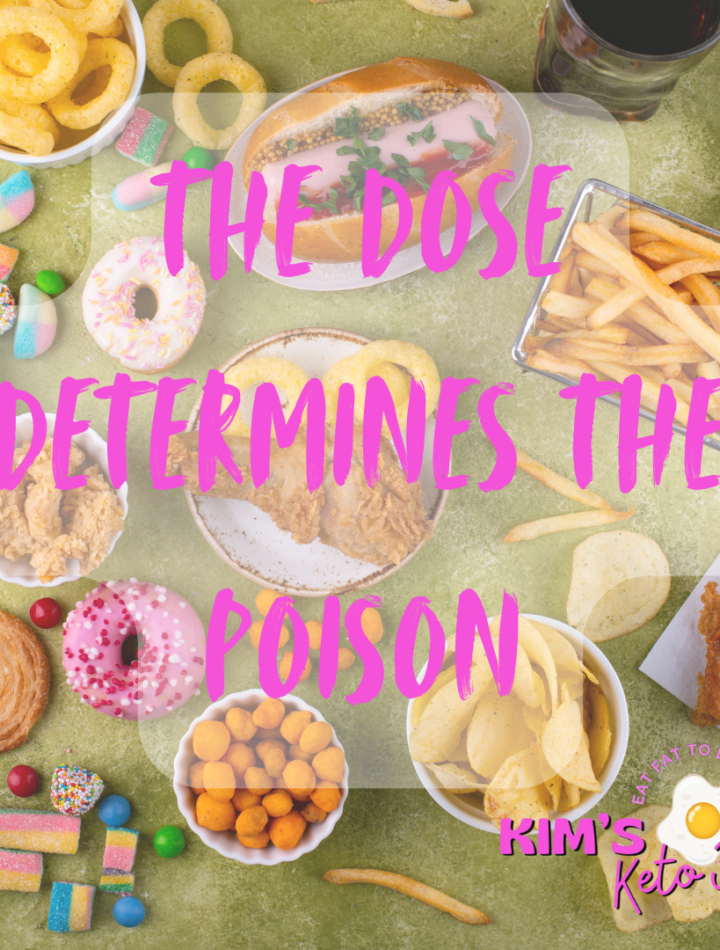


We’ve all heard it: “The dose determines the poison.” This age-old adage is often used to justify small amounts of harmful ingredients in our diets. But what if, when it comes to sugar, seed oils, and ultra-processed foods, this phrase has become dangerously misleading? In the world we live in, where South Africans, like much of the world, are grappling with a rise in lifestyle diseases, this phrase risks oversimplifying a complex reality. Let’s break down why this mindset could be more damaging than helpful.
1. Sugar: Sweet Poison in Plain Sight
Sugar is often labeled as “safe in small amounts,” but how small is small? According to a study by Statistics South Africa, 68% of South African women are overweight or obese, a reality partly fueled by the high consumption of sugar. The World Health Organization (WHO) recommends keeping sugar intake below 10% of our daily energy intake. Yet, the average South African easily exceeds this due to sugar hidden in everything from breakfast cereals to salad dressings.
The problem with “dose” here is that our bodies don’t need sugar to function, glucose can be produced internally from other sources. Instead, excess sugar fuels inflammation and insulin resistance, creating a breeding ground for conditions like Type 2 diabetes, which has become so common it now affects more than 4.5 million South Africans. While some argue that “a little sugar won’t hurt,” in reality, even small doses can cause harm when repeated daily over time.
2. Seed Oils: The Silent Saboteurs of Our Health
Seed oils like sunflower, canola, and soybean oil are everywhere, from fast food fries to baked goods. Manufacturers praise these oils as “heart healthy” alternatives, but a closer look tells a different story. These oils are high in omega-6 fatty acids, which, when consumed in excess, contribute to chronic inflammation. The argument that “a little won’t hurt” is debunked by the fact that these oils are nearly impossible to avoid unless one meticulously cooks every meal at home with healthier oils like olive or coconut oil.
South Africa’s fast food culture has only fueled this dependency. A 2021 study revealed that South Africans consume roughly double the amount of omega-6s compared to omega-3s, contributing to our skyrocketing rates of heart disease and obesity. Seed oils, despite their heart friendly label, are industrially processed and stripped of natural nutrients, leaving behind compounds that our bodies struggle to handle when consumed long term.
3. Ultra-Processed Foods: A Recipe for Health Hazards
If you turn to convenience foods for a quick snack or meal, you’re not alone. Ultra-processed foods make up nearly 30% of South Africans’ total calorie intake, according to a study published in the South African Journal of Clinical Nutrition. While we’re often told that it’s “okay” in moderation, research shows that these foods have a cumulative effect that goes beyond just weight gain. The additives, preservatives, and artificial flavors in these foods overwhelm the body’s natural detox pathways.
What makes this even more insidious is that these foods are engineered to be hyper-palatable, activating reward centers in the brain and creating a cycle of craving and dependency. A study from the University of Cape Town revealed that even a single serving of ultra-processed food can lead to a temporary spike in blood sugar and inflammation, with repeated exposure linked to increased risk of cardiovascular disease.
Why “The Dose Determines the Poison” Doesn’t Work Here
The real danger with sugar, seed oils, and ultra-processed foods is that they have infiltrated nearly every corner of our food supply. The problem isn’t in isolated, occasional consumption—it’s that “small doses” accumulate quickly, transforming what was once a “safe amount” into a chronic burden. Our health is influenced not just by what we eat in a day, but what we consume repeatedly over time. When harmful ingredients are normalised as “moderation friendly,” it becomes harder to see their true impact.
Statistics That Speak Volumes
- Obesity and diabetes: A staggering 28% of South African adults are obese, a rate that has doubled in the last two decades. Type 2 diabetes has followed suit, partly due to an over reliance on sugar laden processed foods.
- Heart disease: South Africa ranks among the top 10 countries for heart disease mortality. The prevalence of omega-6-rich seed oils in our diets is a contributing factor, with studies showing these oils increase inflammation, a risk factor for heart disease.
- Mental health impact: Ultra-processed foods aren’t just affecting our waistlines, they impact our minds too. A study conducted by Stellenbosch University found that those with higher ultra-processed food consumption reported more symptoms of anxiety and depression, highlighting that what we eat affects our overall well being.
In today’s world, “the dose determines the poison” may no longer be relevant when it comes to sugar, seed oils, and ultra-processed foods. Our lives are not designed to accommodate “a little bit of poison every day”—our food environments, habits, and the convenience first food industry make even moderate consumption risky. We need a new approach, one that encourages us to re-evaluate our relationship with food and take back control of our health, one meal at a time.
References:
- World Health Organization (WHO). “Healthy diet.”
Available at: https://www.who.int/news-room/fact-sheets/detail/healthy-diet- This source discusses WHO’s guidelines on sugar consumption, emphasizing the health risks of excess sugar intake.
- South African Medical Journal. “Obesity and the South African epidemic.”
Available at: https://www.samj.org.za/index.php/samj/article/view/12831- This study examines the rising obesity rates in South Africa and its association with dietary habits, including sugar consumption.
- American Heart Association. “Added Sugars.”
Available at: https://www.heart.org/en/healthy-living/healthy-eating/eat-smart/sugar/added-sugars- This source provides information on the harmful effects of added sugars, linking them to chronic diseases like diabetes and heart disease.
- The Journal of Clinical Investigation. “The Role of Omega-6 Fatty Acids in Health.”
Available at: https://www.jci.org/articles/view/124222- A research article discussing the inflammatory effects of omega-6 fatty acids from seed oils and their contribution to cardiovascular disease.
- South African Journal of Clinical Nutrition. “The Impact of Ultra-Processed Food on Health in South Africa.”
Available at: https://www.sajcn.co.za/index.php/SAJCN/article/view/331- This study highlights the role of ultra-processed foods in South African diets and their impact on obesity, diabetes, and heart disease.
- The Lancet. “Global Burden of Disease Study: Trends in Cardiovascular Disease Mortality.”
Available at: https://www.thelancet.com/- A comprehensive study showing the rise in cardiovascular diseases worldwide, including in South Africa, where diet plays a significant role.
- Harvard T.H. Chan School of Public Health. “The Nutrition Source: Fats and Cholesterol.”
Available at: https://www.hsph.harvard.edu/nutritionsource/types-of-fat/- This page discusses the dangers of consuming too many omega-6 fatty acids from seed oils and the importance of balancing fats for overall health.
- National Institute of Health (NIH). “Effects of Ultra-Processed Foods on Obesity and Chronic Disease.”
Available at: https://www.ncbi.nlm.nih.gov/pmc/articles/PMC8885704/- A study from the NIH detailing how ultra-processed foods contribute to obesity and chronic diseases due to their high sugar, salt, and unhealthy fat content.
- Centers for Disease Control and Prevention (CDC). “Obesity and Overweight.”
Available at: https://www.cdc.gov/obesity/data/adult.html- This source provides statistics and information on the growing obesity epidemic, particularly in relation to the consumption of sugar and processed foods.
- University of Cape Town. “The Link Between Ultra-Processed Food and Mental Health.”
Available at: https://www.uct.ac.za/- This study explores the relationship between ultra-processed food consumption and mental health issues such as anxiety and depression.